
Mucolytic Treatment in Allergic Airway Disease

Asthma is a complex disease, whose principal characteristics include reversible airflow obstruction, airway hyperresponsiveness (AHR), airway inflammation, airway remodeling and mucus hypersecretion. Airway mucus hypersecretion specifically is an important and dangerous pathophysiological manifestation of asthma.
Longitudinal Micro‑CT Derived Biomarkers in Silicosis Fibrosis Model
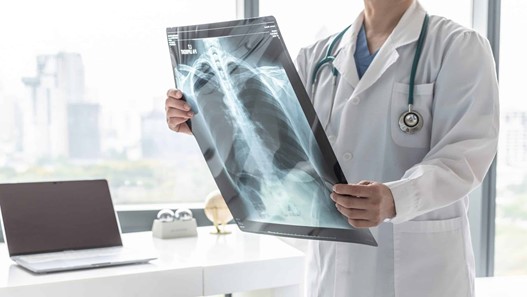
Pulmonary Fibrosis (PF) is a type of interstitial lung disease with a poor prognosis and response to current therapies. During the progress of this disease, the build-up of fibrotic tissue leads to an overall rigidity of lung architecture, leading to a gradual decline in lung function.
Visualizing Lung Physiology in Response to Chemical and Mechanical Assaults

Acute lung injury (ALI) arises from factors as diverse as endotoxin exposure, chemical assault, acute particulate exposures or mechanical impacts, as seen in ventilator induced lung injury (VILI). ALI and VILI studies push the understanding of both fundamental breathing mechanics and general lung physiology to describe how damage occurs in the hopes of mitigating of damage.
Longitudinal Studies with SCIREQ Systems

Longitudinal studies offer a wealth of information, particularly for diseases progression or development studies. In addition, smaller sample sizes are possible to accumulate significant data, as subject assessment is possible at multiple time points.
Animal Models for Pulmonary Diseases

Animal models are crucial in advancing our knowledge and understanding of pulmonary diseases. Using alternatives models, such as computer simulations, is simply not advanced enough to elucidate all the biological mechanisms inside a living creature.
Work of Breathing & Airway Compliance

Work of Breathing & Airway Compliance The latest release of flexiWare (8.2) brings with it the capacity to assess both work of breathing (WOB) and airway compliance, expanding the comprehensive array of pulmonary assessments possible with the flexiVent system. Work of breathing WOB is the amount of energy required overcome the elastic and resistive qualities […]
Ultrapotent Miniproteins Protect Against SARS-CoV-2 Lung Inflammation and Pathology

Ultrapotent Miniproteins Protect Against SARS-CoV-2 Lung Inflammation and Pathology A recent study published in Cell Host & Microbe by Dr. Michael Diamond’s group at the University of Washington investigated ultrapotent miniproteins (LCB1) as a novel means of targeting the severe acute respiratory syndrome coronavirus 2 (SARS-CoV-2). These specific miniproteins target the Receptor Binding Domain (RBD) […]
Preclinical Neonate Research

Preclinical Neonate Research Preclinical Pediatrics and Neonate Research Pediatrics and neonatology involves learning more about development and growth through the first stages of life. Early lung development studies investigate the some of the most vulnerable stages of life and must overcome significant experimental challenges when working with small, fragile and uncooperative subjects. The research targets a […]
Asthma – From Mouse To Man
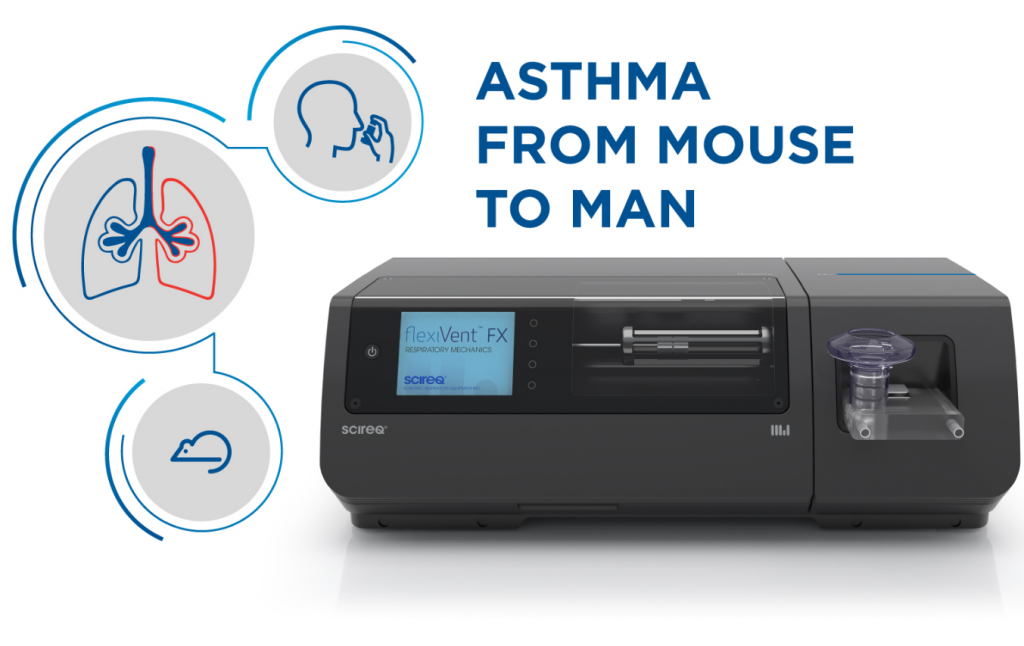
Asthma – From Mouse To Man “The assessment of lung function endpoints used in preclinical drug testing may hold the key to translation of drug efficacy from mouse to man¹.” Bench-to-bedside Mouse models have been and continue to be of invaluable importance in asthma research, for the elucidation of key disease pathways as well as […]
The Usefulness Of Recruitment Manoeuvres
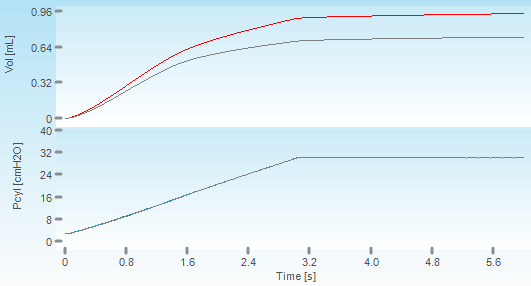
Atelectasis or airway closure spontaneously develops following anaesthesia and mechanical ventilation. This progressive loss in lung volume can have a significant impact on the subject’s