
Animal Models for Pulmonary Diseases

Animal models are crucial in advancing our knowledge and understanding of pulmonary diseases. Using alternatives models, such as computer simulations, is simply not advanced enough to elucidate all the biological mechanisms inside a living creature.
Asthma – From Mouse To Man
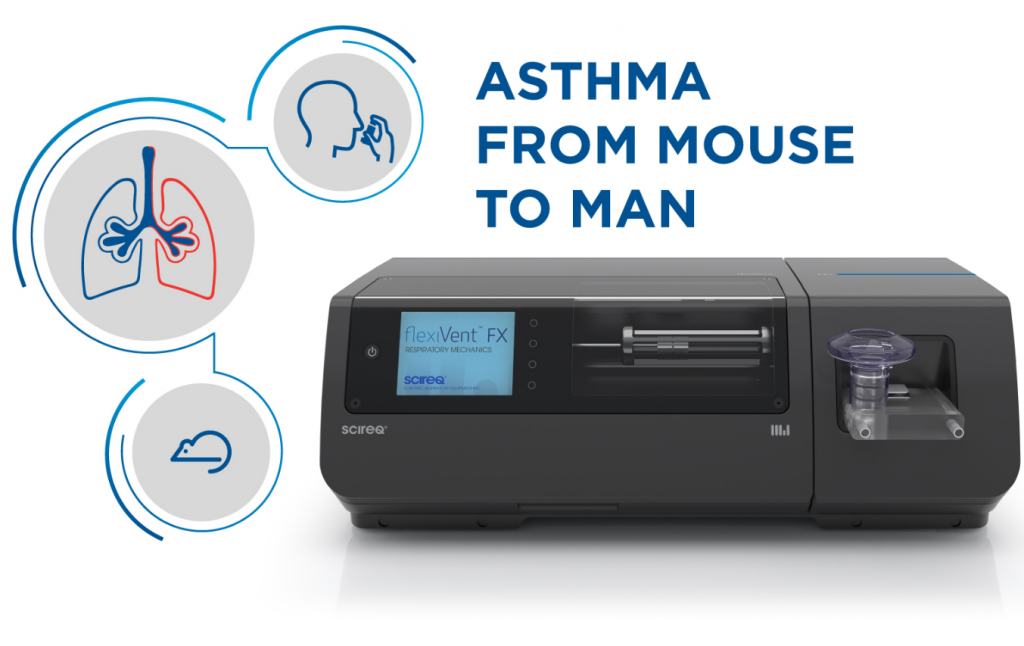
Asthma is a complex heterogeneous disease whose features have not been completely depicted by any single mouse disease model. In preclinical (in vivo) research, careful considerations should be given to the model employed, its phenotype, as well as the measured outcomes.
The use of the flexiVent FX in testing inhaled β agonists during an allergic model bronchoconstrictor challenge

The forced oscillation technique (FOT) using the flexiVent has been the gold standard for pulmonary function tests (PFTs) in small animal in vivo studies for many years.
Hypersensitive Response in Asthmatic Guinea Pigs Following House Dust Mite Exposure

Due to the wide variety of strains available and ease of procurement and care, the mouse dominates in vivo pre-clinical research. Although a robust model, important divergences from human physiology makes
Circadian Rhythm Effects Lung Function

The circadian rhythm regulates many physiological parameters including lung function, immune responses, and cardiopulmonary function. The master circadian pacemaker is located in the anterior of the hypothalamus, also called the suprachiasmatic nuclei (SCN). The SCN receives inputs from environmental cues, such as light and temperature and modulates downstream vital biological functions in an oscillatory fashion.