
Cardiopulmonary Impact of Wildfire Smoke

As global temperatures rise, wildfires are increasingly recognized as major public health crises. Exposure to wildfire smoke is known to worsen respiratory diseases such as asthma and chronic obstructive pulmonary disease (COPD).
Could a Novel BET Inhibitor Protect the Lungs from Secondhand Smoke?
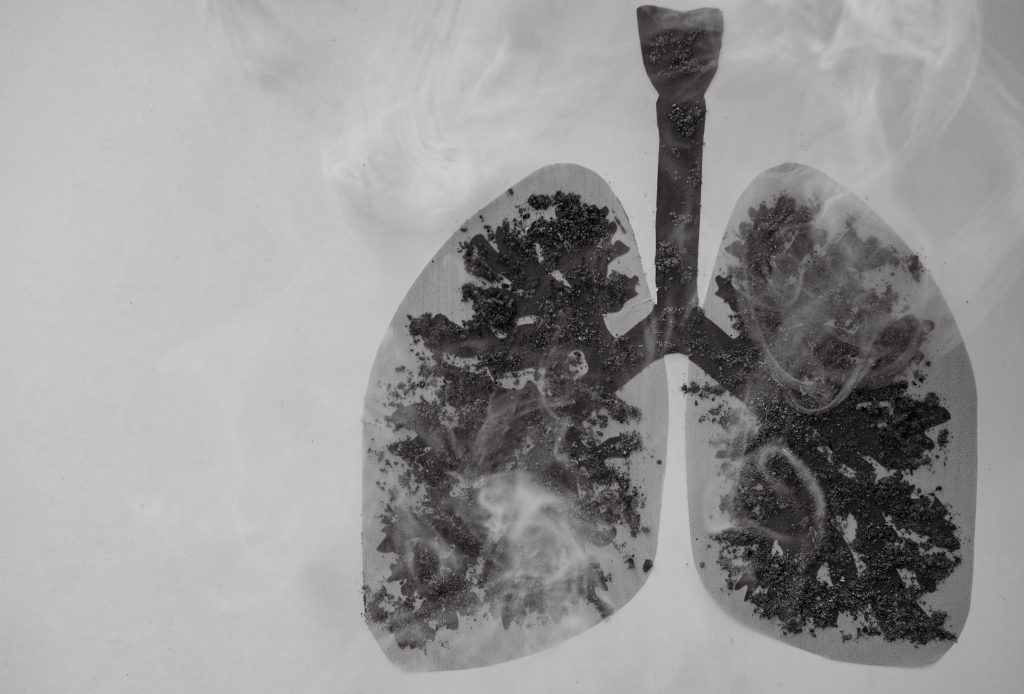
Nearly half of the U.S. population remains at risk from the silent threat of secondhand smoke. Chronic exposure to triggers a cascade of inflammation and vascular damage that can lead to irreversible conditions like COPD and emphysema.
Breathing Life into Nanodrug Research: A Lung-on-Chip Revolution

When it comes to inhaled therapies, one of the biggest challenges is replicating the complex dynamics of human breathing in a controlled lab setting. Traditional aerosol exposure systems often fall short—they can deliver particles, but they don’t mimic the realistic airflow patterns and mucociliary clearance that define our respiratory system.
Comparative Analysis of Combustible and Electronic Cigarette Exposure

While combustible cigarette smoke (CCS) is a well-established carcinogen, the oncogenic potential of electronic cigarette vapor (ECV) remains underexplored. A recent study led by Dr. Moghaddam et al. at The University of Texas MD Anderson Cancer Center provides a rigorous comparative analysis of CCS and ECV exposure in a KRAS-mutant lung adenocarcinoma (KM-LUAD) mouse model.
Role of inhaled interferon-λ-loaded nanoparticles against influenza a virus

Recent advances in the fight against severe acute inflammatory lung diseases, including COVID-19, have revealed a promising new approach to treating pulmonary hyperinflammation and long-term lung damage such as fibrosis.
Comparative In Vitro Toxicity of ENDS Aerosols: Impact on Macrophages

As the popularity of electronic nicotine delivery system (ENDS) devices continues to rise, there is a growing need to understand their potential health effects, particularly on immune cells.
Longitudinal Studies with SCIREQ Systems

Longitudinal studies offer a wealth of information, particularly for diseases progression or development studies. In addition, smaller sample sizes are possible to accumulate significant data, as subject assessment is possible at multiple time points.
Animal Models for Pulmonary Diseases

Animal models are crucial in advancing our knowledge and understanding of pulmonary diseases. Using alternatives models, such as computer simulations, is simply not advanced enough to elucidate all the biological mechanisms inside a living creature.
Development of a Standardized Mouse Model for Nose-Only Inhaled Cannabis

Cannabis is one of the most popular recreational drugs used worldwide. Since the recent legalization of marijuana across several countries and states, there is an increased interest in research
inExpose featured in Nature publication

Congratulations to Dr. Blackwell’s team at Vanderbilt University who recently published in Nature Communications1 with the inExpose!
As you may know, chronic obstructive pulmonary disease (COPD) is characterized by obstruction in airflow, chronic inflammation, and destruction of the alveolar tissue. This group from Vanderbilt University hypothesized that secretory immunoglobulin A (SIgA) deficiency contributes to chronic airway inflammation and COPD disease progression.