
The Potential Of WNT/Β-Catenin Modulation in Treating Pulmonary Fibrosis

Pulmonary fibrosis, particularly idiopathic pulmonary fibrosis (IPF), represents a significant challenge in healthcare due to its detrimental impact on lung function and limited treatment options.
NEBS and PIEZO2: Guardians of The Respiratory Galaxy

In a recent Nature publication by Schappe,M (2024), researchers have revealed a fascinating aspect of respiratory physiology: the role of sensory neurons in guarding against airway obstruction and orchestrating crucial reflexes to maintain respiratory function.
Choosing the Right Mouse Strain for Respiratory Disease Modeling: A Critical Consideration

In the world of respiratory research, the choice of mouse strain can make or break the success of an experimental disease model. Recent findings shed light on the importance of selecting the appropriate strain by elucidating key differences in lung mechanics between two commonly used strains: C57BL/6 and BALB/c mice.
FEV Measurements in Preclinical Models of Respiratory Disease
As researchers strive to bridge the gap between preclinical investigations and clinical outcomes, the accurate assessment of Forced Expired Volume (FEV) and Forced Vital Capacity (FVC) emerges as a cornerstone for establishing translational relevance.
Understanding the Pulmonary Effects of Inhaled Arsenic Trioxide (ATO)
Arsenic trioxide (ATO) is an inorganic arsenical that poses significant environmental and public health risks due to its toxic nature. While it is widely used in various industrial and medicinal applications, the potential harm caused by intentional or accidental exposure cannot be overlooked.
MCEMP1: Unraveling the Role of a Lung-Specific Protein in Mast Cell Proliferation and Asthma
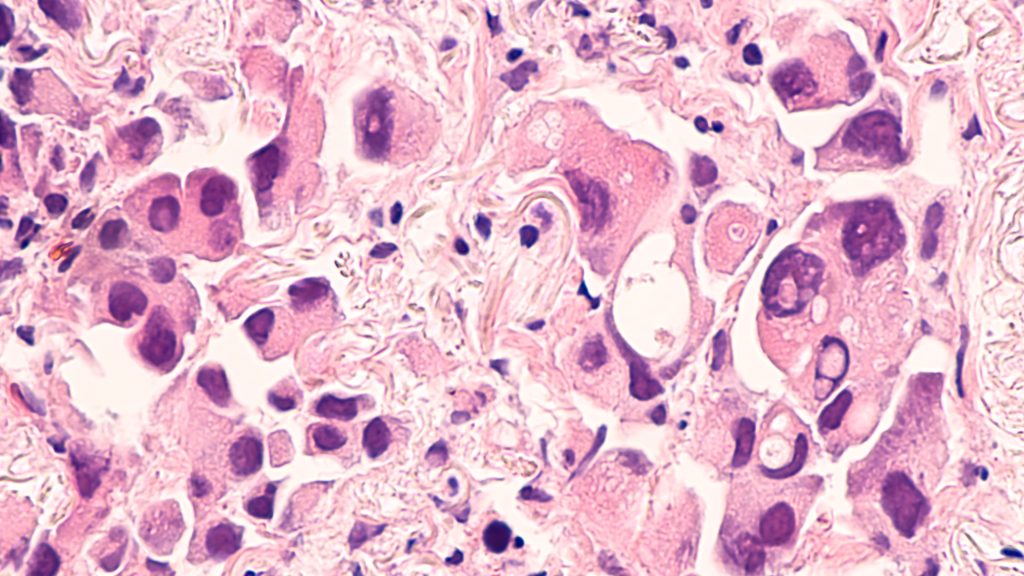
Mast cells are crucial players in the body’s defense mechanisms, orchestrating immune responses and contributing to the maintenance of homeostasis. However, when mast cells undergo excessive proliferation or activation, it can lead to chronic inflammatory disorders such as asthma.
Nebulised Mesenchymal Stem Cell-Derived Extracellular Vesicles

Mesenchymal stem cells (MSCs) have shown great promise in cell therapy for various diseases, including lung injury. However, recent research has focused on the therapeutic potential of extracellular vesicles (EVs) derived from MSCs.
Clinical Significance of Animal Models for Inhaled Pharmaceuticals and Biopharmaceuticals

Lung function testing is often considered of prime importance in preclinical respiratory research. Being integrative, functional, and translational, the conclusions of such assessments typically impact the decision-making process.
Pulmonary Impacts of Exercise in Polluted Environments

Exercising outdoors, particularly when done at high intensity and in polluted environments, could cause molecular alterations that could impact pulmonary function.
Strategic Assessment of Lung Function

Lung function testing is often considered of prime importance in preclinical respiratory research. Being integrative, functional, and translational, the conclusions of such assessments typically impact the decision-making process.