
Could a Novel BET Inhibitor Protect the Lungs from Secondhand Smoke?
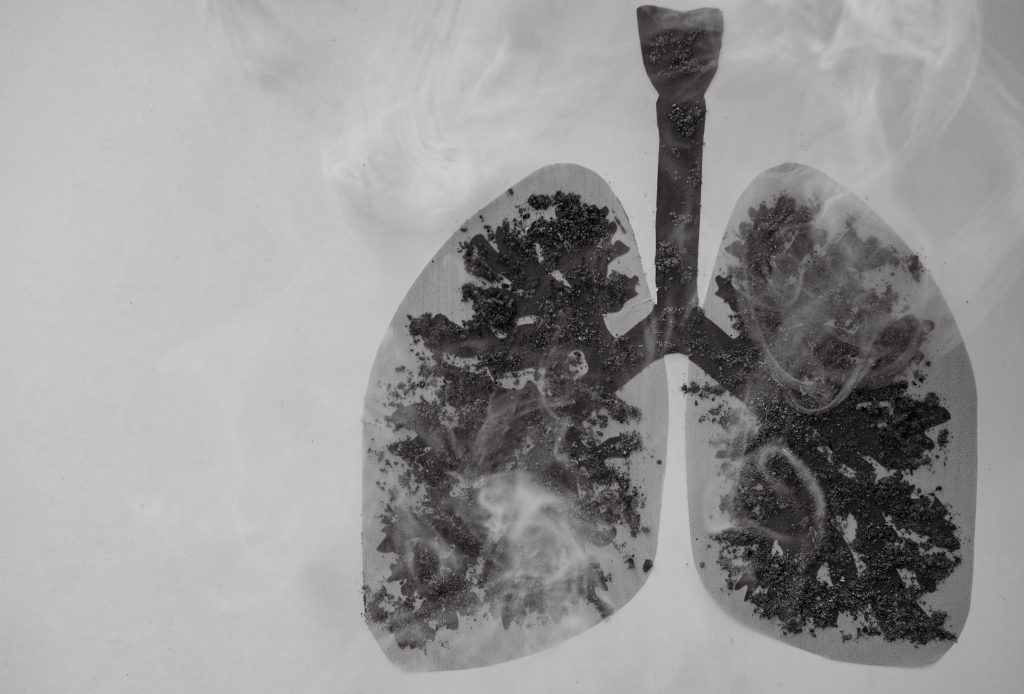
Nearly half of the U.S. population remains at risk from the silent threat of secondhand smoke. Chronic exposure to triggers a cascade of inflammation and vascular damage that can lead to irreversible conditions like COPD and emphysema.
Integrating flexiVent and XV: Detecting Functional Impairment in Pre-Radiographic Lung Cancer
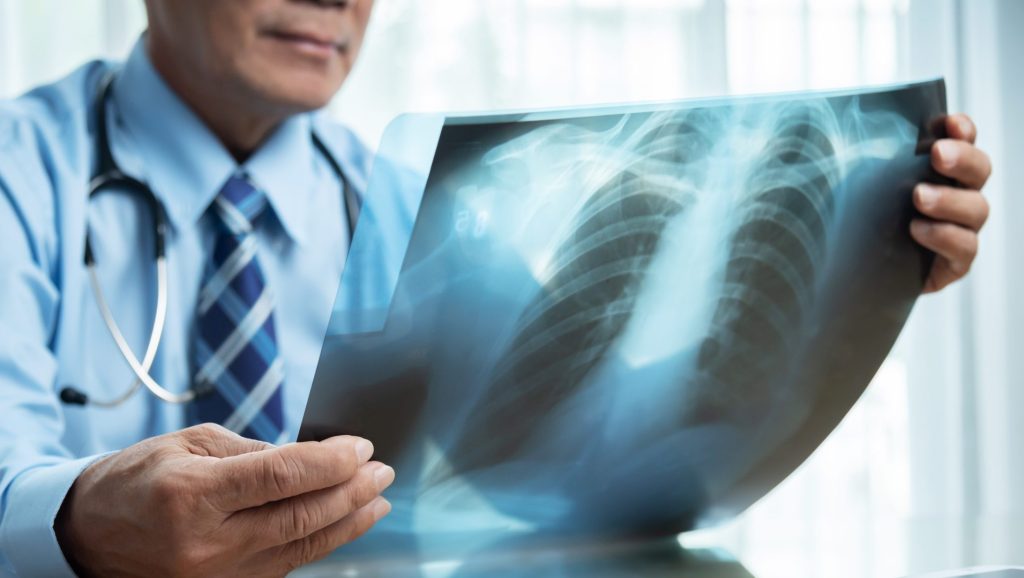
A recent pilot study by Smith et al (2025) has broken new ground by combining two
powerhouse technologies—the flexiVent and X-ray Velocimetry (XV)—to map the
functional decline of the lungs during tumor progression.
Precision Particles for Persistent Asthma
A promising solution for Asthma: an innovative dry powder for inhalation (DPI) designed for controlled release and prolonged lung retention.
Herbal Medicine Treatment for Micro-plastic Induced Lung Damage

Studies demonstrate the ability of Polystyrene microplastics to penetrate deep into the lungs, where they can induce oxidative stress, inflammation and airway remodeling. A recent study by Balkrishna et al. (2025) investigates these effects in a murine model and evaluates Bronchom, a plant-based herbal formulation, as a potential protective intervention.
Shaping the Future of Pulmonary Fibrosis Therapy with Inhaled Microgels

Idiopathic pulmonary fibrosis (IPF) is a devasting lung disease characterized by progressive scarring of lung tissue. As fibrosis develops, patients experience worsening shortness of breath, reduced lung capacity and ultimately respiratory failure.
Cold Air and Pollution: A Combined Challenge for the Airways

Exercise-induced bronchoconstriction (EIB) is a hallmark of asthma and other respiratory diseases. It occurs when vigorous physical activity triggers transient and reversible airway narrowing. Environmental factors such as cold, dry air and air pollution are known to exacerbate symptoms, particularly in athletes and individuals exercising in urban environments.
Understanding Lung Biomechanics in Asthma By Combining ex vivo With in vitro

Asthma remains a complex and multifactorial disease, with airway hyperresponsiveness to methacholine being a hallmark feature. A recent study by Rojas-Ruiz (2025) utilizes SCIREQ’s innovative physioLens (ex vivo) and flexiVent (in vivo) platforms to shed light on the interplay between lung tissue compliance and methacholine response, offering new insights into the mechanisms driving asthma pathology.
A New Mouse Model for SARS-CoV-2 Studies Beyond The Respiratory System

For five years since the onset of the COVID-19 pandemic, the scientific community delved deep into the mysteries of the SARS-CoV-2 virus, to understand its impact on our health and develop antiviral therapies and vaccine.
The Effect of Combined Exercise and Diet on Obese Mice

Obesity is a metabolic condition resulting from an imbalance between the energy consumed and the energy expended. This is often caused by an increase in the intake of calorie-dense foods and a decrease in physical activity, leading to an abnormal build-up of fat. Such fat accumulation can have serious health consequences, raising the risk of chronic diseases like cardiovascular conditions, diabetes, and some cancers. It is usually associated with a higher prevalence of non-alcoholic fatty liver disease (NAFLD) and asthma.
Precision Aerosol Therapy Through AI And flexiVent-Controlled Delivery

Yang, L., et al (2024) introduces LungVis 1.0, an AI-driven imaging platform integrating light sheet fluorescence microscopy (LSFM) and deep learning for mapping nanoparticle (NP) deposition across murine lungs. The research highlights the advantages of aerosol-based delivery methods over traditional liquid-based approaches, emphasizing the uniformity of NP deposition in distal alveolar regions achieved via ventilator-assisted aerosol delivery (VAAD).