
Extending Donor Lung Viability

A recent preclinical study published in Scientific Reports by Hill et al (2026) investigated an innovative organ preservation strategy: combining sub-normothermic storage at 10°C with continuous, low-volume ventilation.
Cardiopulmonary Impact of Wildfire Smoke

As global temperatures rise, wildfires are increasingly recognized as major public health crises. Exposure to wildfire smoke is known to worsen respiratory diseases such as asthma and chronic obstructive pulmonary disease (COPD).
Could a Novel BET Inhibitor Protect the Lungs from Secondhand Smoke?
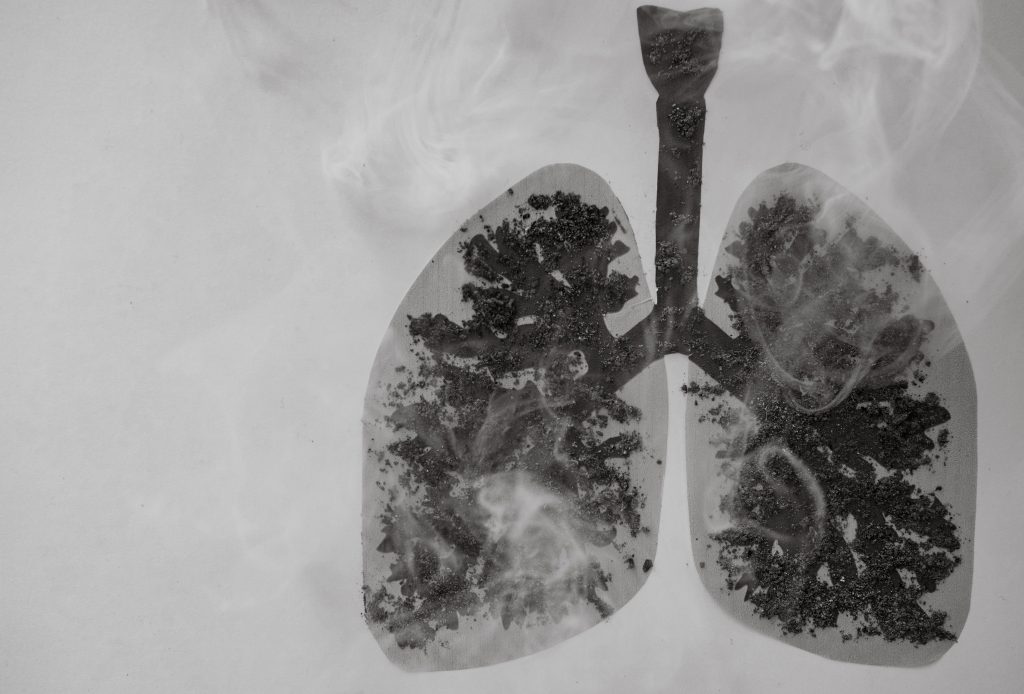
Nearly half of the U.S. population remains at risk from the silent threat of secondhand smoke. Chronic exposure to triggers a cascade of inflammation and vascular damage that can lead to irreversible conditions like COPD and emphysema.
Integrating flexiVent and XV: Detecting Functional Impairment in Pre-Radiographic Lung Cancer
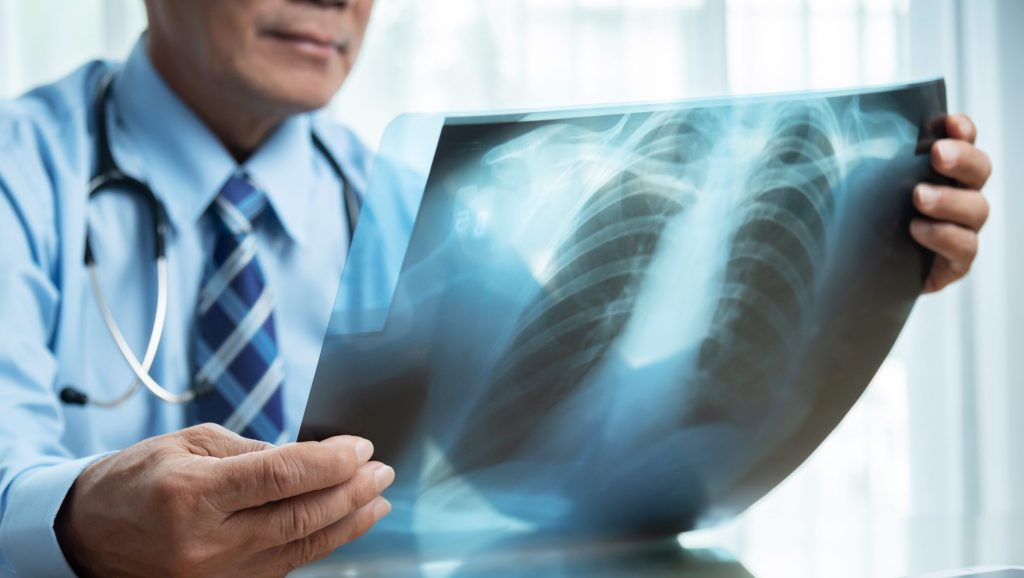
A recent pilot study by Smith et al (2025) has broken new ground by combining two
powerhouse technologies—the flexiVent and X-ray Velocimetry (XV)—to map the
functional decline of the lungs during tumor progression.
Breathing Life into Nanodrug Research: A Lung-on-Chip Revolution

When it comes to inhaled therapies, one of the biggest challenges is replicating the complex dynamics of human breathing in a controlled lab setting. Traditional aerosol exposure systems often fall short—they can deliver particles, but they don’t mimic the realistic airflow patterns and mucociliary clearance that define our respiratory system.
Herbal Medicine Treatment for Micro-plastic Induced Lung Damage

Studies demonstrate the ability of Polystyrene microplastics to penetrate deep into the lungs, where they can induce oxidative stress, inflammation and airway remodeling. A recent study by Balkrishna et al. (2025) investigates these effects in a murine model and evaluates Bronchom, a plant-based herbal formulation, as a potential protective intervention.
The Role Of Setmelanotide In Improving Hypercapnic Chemosensitivity And Weight Loss In Male Mice

Obesity is a significant contributor to respiratory disorders such as Obesity Hypoventilation Syndrome (OHS) and sleep apnea, both of which are characterized by reduced respiratory chemosensitivity. These conditions not only impair breathing but also exacerbate the health risks associated with obesity.
American Thoracic Society 2022

This years ATS meeting took place in San Francisco, and our team was there to show off the new and exciting developments that you have come to expect from SCIREQ. With recent developments to both the flexiVent and inExpose systems, there was a lot to see. Come stay updated.
Assessing the Airway Contribution To Total Respiratory Compliance

The airways contribute to the total compliance of the respiratory system and, over the last 50 years or so, researchers have had an interest in establishing their specific contribution Indeed, the airway diameter as well as the volume of air available for ventilation following inspiration can both be affected by a change in the distensibility of the airways.
Chronic Intermittent Hypoxia and Hypertension

Obstructive sleep apnea syndrome (OSA) is a complete or partial airway obstruction that can cause significant physiological disturbances with various clinical impacts such as snoring, nocturnal awakening, or daytime sleepiness.